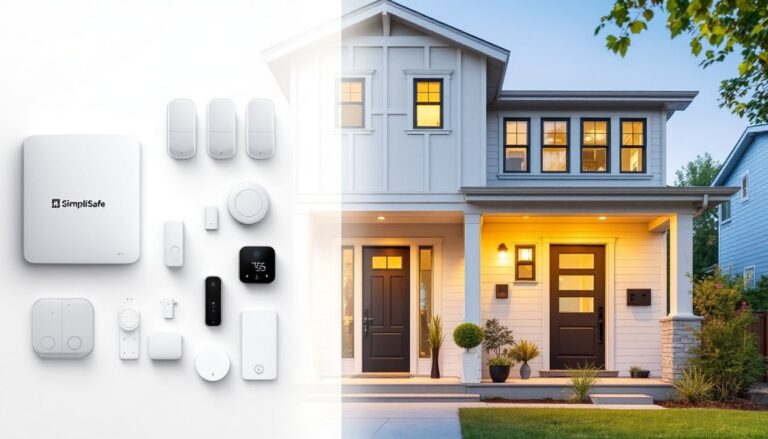
Smart home technology is revolutionizing the way people live, making everyday tasks easier and more efficient. With the rise of connected devices, homeowners can now control everything from lighting to security systems with just a tap on their smartphones. This shift not only enhances convenience but also promotes energy efficiency and safety.
As technology evolves, smart homes are becoming increasingly accessible, allowing individuals to tailor their living spaces to fit their unique lifestyles. From voice-activated assistants to automated climate control, these innovations are transforming houses into intelligent environments. Embracing smart home technology means stepping into a future where comfort and control go hand in hand.
Table of Contents
ToggleOverview of Smart Home Technology
Smart home technology refers to a network of devices that connect via the internet, allowing centralized control of various home systems. This technology includes smart lighting, security cameras, thermostats, and appliances that can communicate with users through smartphones or other devices.
Key Components of Smart Home Technology
- Smart Lighting: Adjusts brightness and color, can be controlled remotely, and can automate based on schedules or occupancy.
- Smart Security Systems: Includes cameras, door locks, and alarms that provide real-time notifications and allow for remote monitoring.
- Smart Thermostats: Optimize energy use by learning user preferences and adjusting temperatures automatically.
- Smart Appliances: Devices like refrigerators and ovens that can be controlled remotely, offering convenience and energy savings.
Benefits of Smart Home Technology
- Convenience: Automates daily tasks, such as adjusting lighting and temperature, enhancing user comfort.
- Energy Efficiency: Devices monitor usage and optimize performance, leading to reduced energy bills.
- Enhanced Security: Real-time alerts and remote access to home security systems improve safety for homeowners.
Future of Smart Home Technology
The integration of artificial intelligence and machine learning in smart home technology is expected to drive advancements. Devices will become increasingly autonomous, learning user habits and preferences to provide a more personalized living experience. As accessibility improves, smart home solutions will likely cater to a wider audience, enhancing quality of life.
Benefits of Smart Home Technology
Smart home technology offers numerous advantages that enhance everyday living. These benefits include convenience, energy efficiency, and improved security.
Convenience and Automation
Convenience and automation stand out as primary benefits of smart home technology. Smart devices enable remote control of home systems via smartphones or voice commands. Homeowners can schedule lighting, adjust thermostats, and run appliances with ease. Voice-activated assistants streamline tasks such as playing music or providing weather updates. Automation eliminates repetitive actions like turning off lights, allowing users to focus on more important activities.
Energy Efficiency
Energy efficiency is another significant advantage of smart home technology. Smart thermostats learn user behaviors, optimizing heating and cooling based on patterns. These devices can reduce energy consumption by 10-12% annually. Smart lighting can schedule on/off times or adjust brightness based on natural light levels. By utilizing energy-efficient appliances, homeowners can lower utility bills while contributing to environmental sustainability.
Enhanced Security
Enhanced security is a critical benefit of smart home technology. Smart security systems provide real-time monitoring of premises through cameras and sensors. Homeowners receive instant notifications regarding unusual activities or breaches. Remote access enables users to check on their homes while away, ensuring peace of mind. Additionally, smart locks allow for keyless entry, which increases convenience and enhances safety measures.
Popular Smart Home Devices
Smart home devices enhance convenience and efficiency in modern living. These devices encompass a range of functionalities, providing users with greater control over their home environments.
Smart Lighting
Smart lighting options offer adjustable brightness and color settings through app control or voice commands. Users can set schedules, create scenes, or control lighting remotely, leading to energy savings and improved ambiance. Devices like Philips Hue and LIFX allow for customization, while smart bulbs automatically adjust based on the time of day.
Smart Thermostats
Smart thermostats, such as Nest and Ecobee, optimize heating and cooling for energy efficiency. These devices learn user preferences and adjust settings accordingly, resulting in up to 15% savings on heating and cooling bills. Remote temperature control through apps ensures comfort while away from home, providing convenience and cost-effectiveness.
Smart Security Systems
Smart security systems include cameras, doorbell cameras, and alarm systems, offering real-time monitoring and notifications. Brands like Ring and Arlo provide users with instant alerts about suspicious activity. Integration with mobile apps allows for remote viewing of security feeds, enhancing safety and peace of mind for homeowners.
Challenges and Considerations
Smart home technology presents various challenges that users must consider. Addressing these issues ensures a better experience while maximizing the benefits of connected devices.
Privacy Concerns
Privacy concerns arise with smart home devices that collect and transmit personal data. Users may inadvertently expose sensitive information, like daily routines and usage patterns, to potential breaches. Manufacturers often implement varying levels of security, and not all devices maintain robust data protection. For instance, vulnerabilities exist in devices that lack firmware updates or use weak encryption. Homeowners ought to research manufacturers’ privacy policies and choose devices with strong security measures to safeguard their data.
Compatibility Issues
Compatibility issues can complicate the integration of different smart home devices. Not all devices work seamlessly with one another, creating a fragmented user experience. For example, devices from different brands may not communicate effectively due to differing communication protocols. Such issues often lead to inconsistencies in performance or require additional hubs for centralized control. Homeowners should assess product compatibility before purchasing to ensure a cohesive smart home ecosystem that functions effectively.
Future Trends in Smart Home Technology
Smart home technology continues to evolve, indicating several future trends that shape the way homeowners interact with their living environments.
- Increased Integration of Artificial Intelligence (AI)
AI enhances automation in smart homes. Devices learn user behaviors and preferences, creating tailored experiences. For example, AI-driven thermostats optimize energy use based on occupancy patterns.
- Growth of Voice-Activated Systems
Voice assistants like Amazon Alexa and Google Assistant expand capabilities. Users can control multiple devices through simple voice commands. This accessibility fosters a seamless user experience across different smart home systems.
- Enhanced Interoperability Among Devices
Manufacturers focus on creating devices compatible with various ecosystems. The trend toward open protocols allows devices from different brands to communicate effectively. Homeowners benefit from more cohesive smart home systems that simplify management.
- Focus on Energy Efficiency and Sustainability
The demand for eco-friendly solutions grows among consumers. Smart devices incorporate energy-saving features, reducing carbon footprints. Smart lighting and thermostats adjust based on real-time data to minimize energy waste.
- Increased Emphasis on Data Security
As privacy concerns rise, manufacturers prioritize robust security measures. Innovations in encryption and authentication aim to protect user data. Homeowners can expect more transparent privacy policies and secure smart devices.
- Adoption of Health Monitoring Systems
Smart home technology expands into health and wellness. Devices like smart air purifiers and health monitoring wearables assess environmental and personal health metrics. Homeowners can create healthier living spaces through these advancements.
- Integration of Virtual and Augmented Reality
VR and AR technologies offer immersive ways to manage smart home systems. Users could visualize device status and usage patterns in a virtual environment. This trend enhances the interaction and oversight of smart homes.
- Advancements in Energy Storage Solutions
Smart home technology incorporates efficient energy storage systems. These systems work alongside solar panels, allowing homeowners to store excess energy for later use. This reduces reliance on grid power, promoting self-sufficiency.
- Remote Monitoring and Management
Increased remote management options enable homeowners to oversee systems from anywhere. Mobile apps provide real-time updates and control, allowing proactive responses to potential issues.
- Personalization Through User Data Analysis
Data analytics contributes to customized user experiences. Smart devices analyze patterns and preferences, offering tailored suggestions and automations. This trend leads to highly personalized home environments.
These trends indicate a future where smart home technology enhances convenience, efficiency, and security, further integrating into daily life.
Smart home technology is revolutionizing the way people interact with their living spaces. With the ability to control lighting security and temperature from a smartphone users can enjoy unparalleled convenience and energy savings. As advancements continue to emerge homeowners can expect even greater integration of AI and machine learning making devices more intuitive and tailored to individual needs.
While challenges like privacy concerns and compatibility issues exist the benefits far outweigh the drawbacks. By choosing reliable products and staying informed about security measures users can create a cohesive and efficient smart home ecosystem. The future of smart homes looks promising with ongoing innovations that will enhance comfort safety and sustainability. Embracing this technology not only simplifies daily tasks but also contributes to a more connected and efficient lifestyle.