
Home exterior design plays a crucial role in defining a property’s first impression. It’s not just about aesthetics; it’s about creating a welcoming atmosphere that reflects the homeowner’s personality and lifestyle. From choosing the right materials to selecting complementary colors, every detail counts in crafting a stunning exterior.
As trends evolve, homeowners are increasingly looking for innovative ways to enhance their curb appeal. Whether it’s incorporating sustainable elements or embracing bold architectural styles, the options are endless. Understanding the latest design principles can help transform any home into a captivating masterpiece that stands out in the neighborhood.
Understanding Home Exterior Design
Home exterior design plays a crucial role in forming a property’s first impression and enhancing its overall appeal. An attractive exterior reflects the homeowner’s personality and sets the tone for the rest of the property.
Importance of Curb Appeal
Curb appeal refers to the attractiveness of a property when viewed from the street. High curb appeal increases property value and encourages potential buyers to consider a home. Notable elements that contribute to curb appeal include landscaping, entryway designs, and exterior finishes. Simple improvements, such as fresh paint, well-maintained gardens, and decorative lighting, can significantly enhance a property’s visual impact.
Key Elements of Exterior Design
Exterior design encompasses various components that contribute to a home’s overall aesthetics. Significant elements include:
- Color Palette: Selecting complementary colors influences the property’s mood. Neutral shades typically produce a timeless look, while bold colors provide a vibrant touch.
- Materials: Choosing durable materials affects both appearance and longevity. Common materials include wood, stone, brick, and stucco, each offering distinct design characteristics.
- Architectural Style: Each architectural style—such as modern, colonial, or craftsman—determines the overall design approach. Understanding the features of these styles aids in creating a harmonious exterior.
- Landscaping: Thoughtfully designed landscapes enhance the natural beauty of a home. Incorporating native plants and balanced greenery establishes a welcoming atmosphere.
- Lighting: Proper exterior lighting adds safety and accentuates architectural features. Using a combination of ambient, task, and accent lighting can highlight specific areas of a home’s facade.
Popular Home Exterior Styles
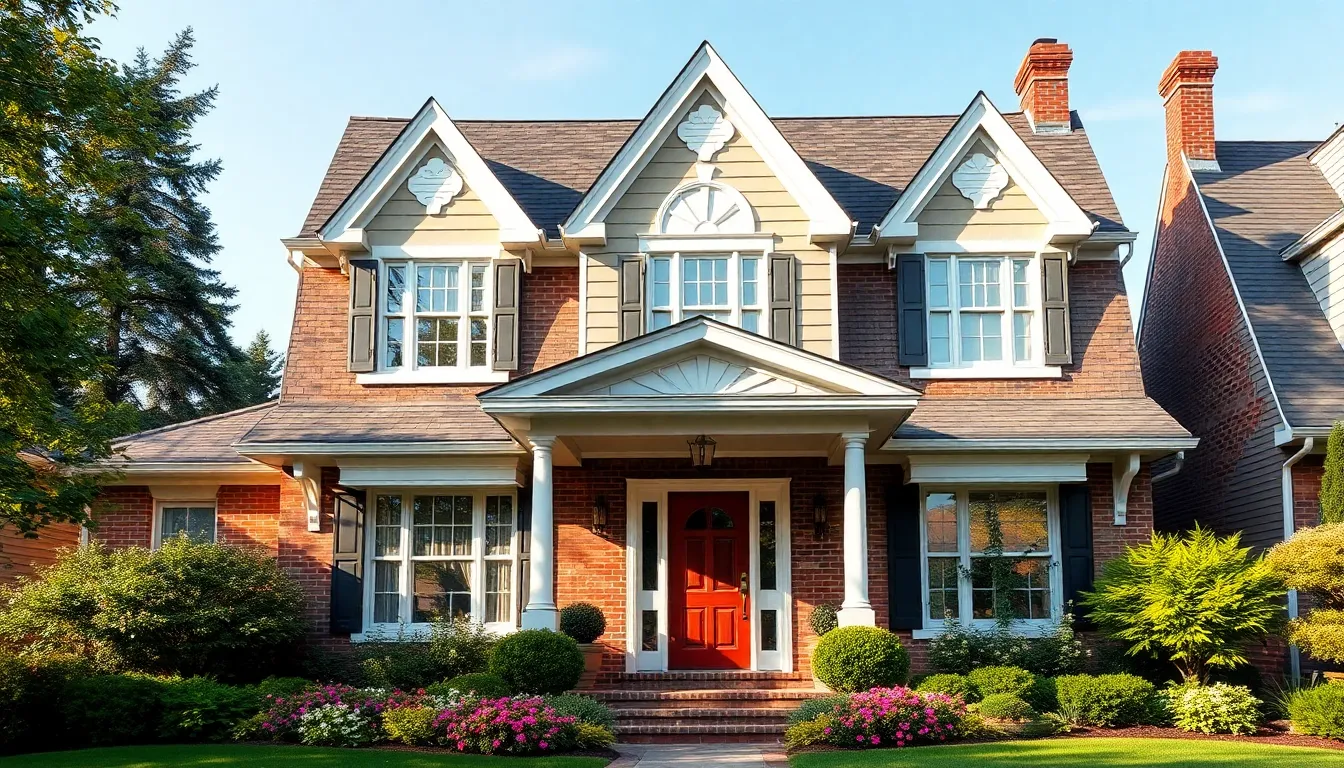
Home exterior styles vary widely, reflecting diverse tastes and architectural trends. Understanding these styles helps homeowners make informed design choices to enhance their property’s appeal.
Modern Architecture
Modern architecture emphasizes minimalism and functionality. Clean lines, large windows, and open spaces characterize this style. Materials like steel, glass, and concrete often dominate, creating sleek and contemporary façades. Bold colors combined with neutral tones enhance visual impact. Outdoor living spaces integrate seamlessly with interior areas, promoting a cohesive design.
Traditional Designs
Traditional designs draw inspiration from historical architectural elements. Symmetry and proportion define these homes, often featuring gabled roofs and decorative moldings. Common materials include brick, wood, and stone, contributing to an inviting atmosphere. Classic color palettes—such as muted earth tones and soft pastels—highlight the elegance of traditional homes. Landscaping typically complements these designs, enhancing the overall charm.
Cottage and Craftsman Styles
Cottage and Craftsman styles offer a warm, cozy aesthetic. Distinctive features include stacked stone or wood exteriors, overhanging eaves, and intricate woodwork. Both styles promote a sense of craftsmanship and detail, often showcasing built-in furniture and custom cabinetry. Natural materials like wood and stone dominate, connecting the home to its surroundings. Vibrant gardens and porch spaces typically enhance the enchanting appeal of these architectural designs.
Choosing the Right Materials
Selecting appropriate materials significantly impacts the overall aesthetic and durability of a home’s exterior design. The right choices enhance visual appeal, ensure longevity, and contribute to energy efficiency.
Siding Options
- Vinyl Siding: Offers durability and low maintenance. It resists fading and comes in various colors, complementing different architectural styles.
- Wood Siding: Provides natural beauty and warmth. While high-maintenance, it can be stained or painted to achieve desired looks.
- Fiber Cement Siding: Combines durability with the aesthetic of wood. It resists pests and rot while accepting paint well.
- Metal Siding: Ensures modern appeal and high durability. It reflects heat, contributing to energy efficiency.
- Stone and Brick: Delivers timeless elegance and strength. While more expensive, they enhance property value significantly.
Roofing Choices
- Asphalt Shingles: Common for their affordability and diverse options. They provide good insulation and come in various styles and colors.
- Metal Roofing: Offers longevity and distinctive looks. Resists severe weather and reflects heat, improving energy efficiency.
- Slate Roofing: Known for its beauty and ideal longevity. It stands up to harsh conditions but requires skilled installation due to weight.
- Clay and Concrete Tiles: Provide Mediterranean or modern charm. These materials are durable and fire-resistant, though they require a solid structural support.
- Green Roofs: Incorporate living plants for enhanced aesthetics and insulation. They contribute to sustainability but require specific maintenance.
Window and Door Features
- Energy-Efficient Windows: These windows minimize heat loss and improve comfort. They generally use double or triple-pane glass and low-E coatings.
- Fiberglass Doors: Strong and energy-efficient, fiberglass doors can mimic wood while resisting warping and rust.
- Wood Doors: Traditional choices offering beauty and elegance. They require maintenance but can be stained or painted.
- Vinyl Windows: Typically low maintenance with good insulation. They come in various styles and colors, accommodating different design preferences.
- Retractable Screens: Enhance ventilation without obstructing views. They offer convenience and maintain home aesthetics.
Landscaping and Outdoor Spaces
Landscaping and outdoor spaces enhance a home’s exterior, providing functionality and visual appeal. Thoughtful design elements make a significant impact on the overall aesthetic.
Hardscaping Essentials
Hardscaping refers to the non-plant elements in landscaping, such as pathways, patios, and retaining walls. Each component contributes to the structure and usability of outdoor spaces.
- Patios: Install durable materials like stone or pavers for longevity. Patios serve as gathering places, offering a foundation for outdoor furniture and dining areas.
- Walkways: Choose materials that complement the home’s style. Well-designed walkways guide visitors and improve accessibility.
- Retaining Walls: Utilize retaining walls to manage slopes and drainage. Properly placed walls add visual interest and can create tiered planting areas.
- Driveways: Select durable options such as concrete or asphalt for functionality. Driveways enhance entrance appeal and assist in defining property lines.
Garden Design Tips
Garden design plays a vital role in enhancing outdoor beauty and creating a welcoming atmosphere. Smart planning leads to vibrant and cohesive landscapes.
- Plant Selection: Choose native plants to promote sustainability and minimize maintenance. Native species thrive in local conditions and support local wildlife.
- Color and Texture: Mix flowering plants with various leaf shapes for visual interest. This combination creates a dynamic garden throughout the seasons.
- Functional Spaces: Integrate functional areas, such as vegetable or herb gardens, to maximize usability. Practical spaces increase the utility of the landscape while promoting healthy living.
- Lighting: Incorporate outdoor lighting to highlight key elements of the garden. Effective lighting enhances safety and creates an inviting ambiance for evening use.
Thoughtful landscaping and outdoor design elements significantly elevate a property’s curb appeal, creating inviting, functional, and aesthetically pleasing spaces.
Sustainable Home Exterior Practices
Sustainable home exterior practices enhance curb appeal while reducing environmental impact. Incorporating eco-friendly materials and energy-efficient elements contributes to a home’s longevity and sustainability.
Eco-Friendly Materials
Using eco-friendly materials plays a vital role in sustainable home exterior design. These materials often include:
- Recycled Products: Utilizing recycled materials reduces waste. Examples include recycled glass, reclaimed wood, and composite decking made from recycled plastics.
- Sustainable Woods: Options like bamboo, cedar, or reclaimed timber provide durability without environmental harm. Sustainable woods come from responsibly managed forests.
- Low-VOC Paints: Low volatile organic compound (VOC) paints minimize harmful emissions. Choosing these paints improves both indoor and outdoor air quality.
- Natural Stone: Natural stone, such as limestone or granite, requires minimal energy for extraction and processing. Its durability adds long-term value.
Investing in these materials improves aesthetics and reduces the home’s carbon footprint.
Energy Efficiency Considerations
Energy efficiency considerations impact both home performance and exterior design. Key aspects include:
- High-Performance Windows: Selecting energy-efficient windows with low emissivity (low-E) coatings reduces heat loss. These windows enhance insulation and comfort.
- Insulated Door Systems: Using insulated entry doors minimizes energy loss. Fiberglass and steel doors with insulation provide security and thermal efficiency.
- Proper Roof Insulation: Adequate insulation in roofing systems prevents heat from escaping. Cool roofing materials, such as reflective shingles, reduce energy costs by keeping homes cooler.
- Solar Panels: Integrating solar panels into the roof design harnesses renewable energy. Installing these panels can significantly reduce electricity costs over time.
Employing these energy-efficient practices contributes to a home’s overall sustainability while enhancing its exterior design.
Home exterior design is more than just aesthetics; it’s about creating a lasting impression that resonates with both homeowners and visitors. By thoughtfully considering elements like color palettes, materials, and architectural styles, homeowners can craft a unique exterior that reflects their personality. Incorporating sustainable practices not only enhances curb appeal but also contributes to a healthier environment.
As trends evolve, staying informed about design principles and popular styles allows homeowners to make choices that elevate their properties. Ultimately, a well-designed exterior not only boosts visual appeal but also increases property value, making it a worthwhile investment for any homeowner.


