
Art Deco architecture is like the stylish cousin of the design world, strutting into the spotlight with flair and confidence. Born in the roaring twenties, this vibrant style combines elegance with a touch of whimsy, transforming mundane buildings into eye-catching masterpieces. Think bold geometric shapes, rich colors, and intricate details that make even the most serious structures look like they’re ready for a party.
Overview of Art Deco Architecture
Art Deco architecture emerged in the 1920s, reflecting a bold design movement. Characterized by geometric shapes, the style incorporates rich colors and intricate details. Buildings exhibit sleek lines and ornamental elements, emphasizing both function and aesthetics.
Materials play a crucial role in Art Deco. Designers often used glass, chrome, and concrete, contributing to the striking visual appeal of structures. Iconic skyscrapers, such as the Chrysler Building in New York, showcase exquisite ornamentation alongside modern construction techniques.
The style also draws inspiration from various sources. Influence comes from cultures like Egyptian and Aztec, evident in motifs and decorative features. This fusion of styles resulted in a unique architectural vocabulary that captivates audiences.
Cities worldwide feature significant examples of Art Deco architecture. Miami’s South Beach area boasts pastel-colored buildings adorned with neon lights. In contrast, the Palais de Chaillot in Paris exemplifies the grandeur of the movement’s interpretation in civic architecture.
Art Deco also emphasizes a sense of luxury and glamour. Lavish interiors often include murals, mirrored surfaces, and polished finishes. Such opulence creates an immersive experience for occupants and visitors alike.
Architects like William Van Alen and Raymond Hood defined the era with their innovative approaches. Their works continue to inspire contemporary designers, bridging past and present architectural practices.
Key Characteristics of Art Deco Architecture
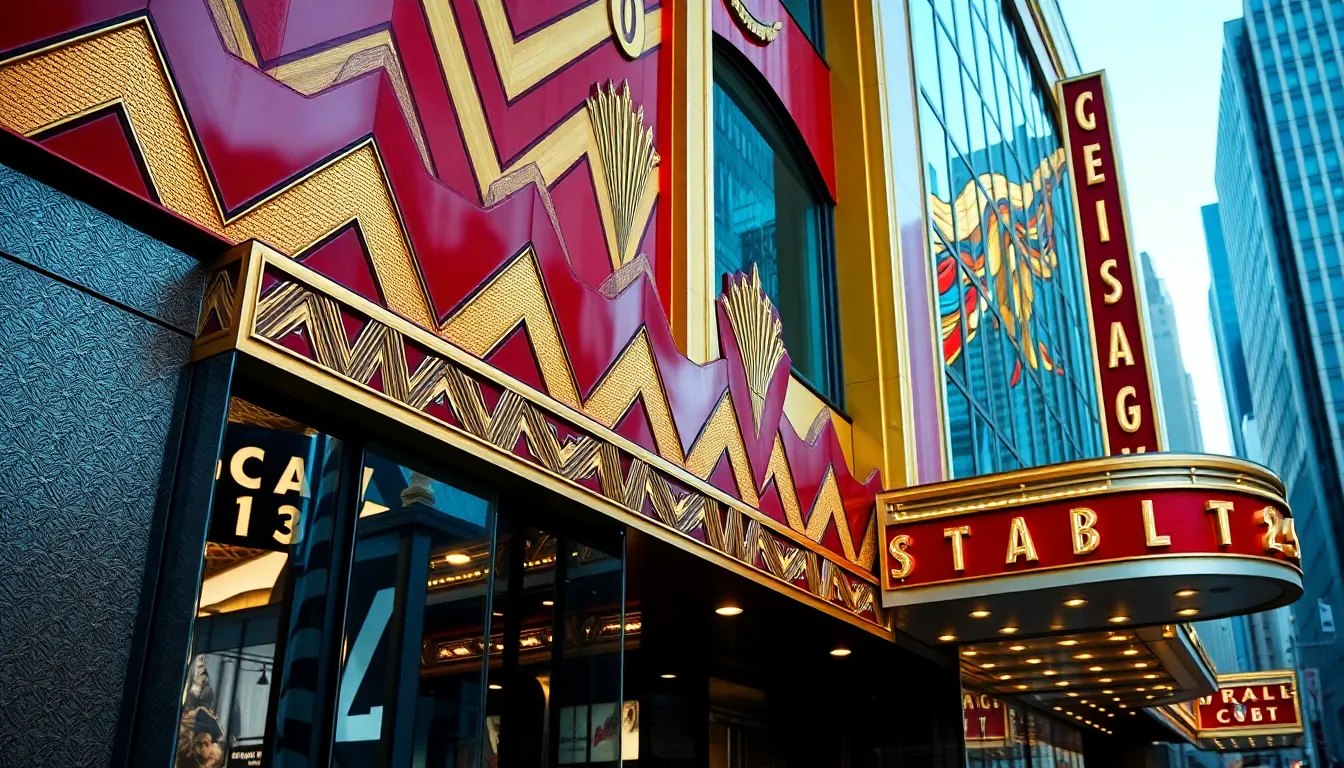
Art Deco architecture features distinct elements that define its visual impact and appeal. Geometric shapes and bold colors characterize this vibrant style, creating striking and memorable structures.
Geometric Shapes and Patterns
Geometric shapes stand as a hallmark of Art Deco buildings. Angular forms, zigzags, and curves generate dynamic visual effects. The style often incorporates symmetrical arrangements, contributing to an overall sense of order and elegance. Notably, chevrons and sunburst motifs frequently adorn façades, enhancing ornamental richness. Architects utilize these design elements not only for aesthetics but also for structural integrity. The prevalence of these patterns creates an engaging dialogue between light and shadow, transforming the urban landscape.
Bold Colors and Materials
Bold colors bring life to Art Deco architecture. Bright hues such as deep reds, vibrant blues, and rich golds create dramatic contrasts. Materials like chrome, glass, and polished stone contribute to a luxurious feel. The combination of these colors and textures reflects the exuberance of the era. Artisans often employed innovative techniques, such as layered glass and intricate metalwork, to elevate the visual experience. These elements combine to capture a sense of modernity and opulence, leaving a lasting impression on those who encounter these architectural masterpieces.
Historical Context of Art Deco Architecture
Art Deco architecture emerged during the vibrant 1920s, reflecting the era’s cultural transformations. This movement evolved in response to industrialization, the rise of modernity, and changing societal values.
Origin and Evolution
The Art Deco movement originated in France before spreading globally. Paris hosted the 1925 Exposition Internationale des Arts Décoratifs et Industriels Modernes, which showcased this design style’s richness. Originally, Art Deco drew from earlier movements like Art Nouveau, yet it incorporated new industrial materials and techniques. Growth in the fashion and automotive industries influenced its aesthetics. Structures such as several skyscrapers in New York and Chicago epitomized its evolution, merging elegance with modern functionality. The style flourished throughout the 1930s, reaching its peak as it applied visual language to both civic and commercial architecture.
Influence of Other Movements
Art Deco architecture reflects influences from various design movements. The geometric forms of Cubism contributed to the sharp angles and bold patterns prevalent in Art Deco. Furthermore, the streamlined forms of Futurism inspired a sense of speed and progress in architectural designs. Elements from Ancient Egyptian, Aztec, and African art added exotic motifs that emphasized opulence. Additionally, the decorative aspects of Rococo and Neoclassicism enriched surfaces with intricate ornamentation. This cross-pollination of ideas created a unique architectural language that celebrated modernity while nodding to history.
Iconic Examples of Art Deco Architecture
Art Deco architecture boasts many distinctive landmarks around the globe. These examples showcase the style’s vibrant characteristics and cultural influences.
Notable Buildings Worldwide
Landmarks like the Chrysler Building in New York exemplify the height of Art Deco elegance, featuring a stainless steel spire and intricate detailing. Miami’s South Beach displays colorful facades that embody the lively spirit of this design movement. The Palais de Chaillot in Paris represents architectural grandeur, combining classical elements with modern materials. Another notable structure, the Daily Express Building in London, showcases dynamic geometries, illustrating the era’s innovative approach to design. Each of these buildings not only serves a functional purpose but also stands as a testament to Art Deco’s stylistic allure.
Residential vs. Commercial Structures
Art Deco influences both residential and commercial architecture. Residential buildings often feature decorative motifs and smooth lines, creating inviting home environments. Commercial structures display bold features, often adorned with elaborate facades designed to attract attention. Iconic hotels like the Fontainebleau in Miami capture luxury, offering extravagant interiors that reflect glamour. In contrast, apartment buildings such as the Rosario in Montreal showcase intricate tile work and elegant curves, enhancing neighborhood aesthetics. Each structure reveals how Art Deco principles adapt to different contexts while maintaining a distinctively vibrant style.
Cultural Impact of Art Deco Architecture
Art Deco architecture significantly influenced visual culture in the 20th century. Its distinctive designs reshaped urban skylines and community aesthetics globally, capturing the essence of modernism. Iconic structures like the Chrysler Building exemplify this effect, becoming symbols of innovation and prosperity.
Design elements associated with Art Deco often appear in various contexts, including interior design and consumer products. Luxurious materials such as chrome and glass transitioned beyond architecture, enhancing everyday items like furniture and appliances. The inclusion of geometric shapes and vibrant colors in these products further solidified the movement’s impact.
Art Deco’s cultural resonance extends to fashion, film, and visual arts. Designers embraced the architectural style, creating clothing and accessories that mirrored the boldness of the movement. Additionally, films from the 1920s and 1930s embraced Art Deco aesthetics in set designs, contributing to a glamorous portrayal of modern life.
Movements in art, such as Cubism and Surrealism, drew inspiration from Art Deco’s visual vocabulary. This overlap illustrates how the architectural style transcended its boundaries, influencing various creative disciplines. As artists explored new forms and materials, they incorporated Art Deco elements, emphasizing its significance during the interwar period.
The global proliferation of Art Deco, showcased through cities like Miami and Paris, fostered a shared identity rooted in elegance and modernity. Communities celebrated their Art Deco heritage through preservation efforts, highlighting the style’s ongoing relevance. Historic districts and landmarks continue to thrive, attracting tourists while serving as a reminder of the vibrant past.
Art Deco architecture stands as a testament to the creativity and innovation of the early 20th century. Its bold designs and luxurious materials continue to captivate audiences worldwide. This architectural style not only transformed cityscapes but also influenced various aspects of culture, from fashion to interior design.
With its rich history and enduring appeal, Art Deco remains a significant part of architectural heritage. As communities strive to preserve these iconic structures, the movement’s legacy endures. The vibrant spirit of Art Deco continues to inspire new generations, ensuring that its unique charm will be appreciated for years to come.


