
Japanese architecture is a captivating blend of tradition and innovation that leaves many in awe. With its minimalist aesthetics and deep connection to nature, it’s no wonder people are drawn to the elegance of Japanese design. Imagine stepping into a world where every wooden beam and sliding door tells a story, inviting you to experience a harmony that feels almost magical.
From ancient temples to contemporary masterpieces, Japanese architecture reflects a culture that values simplicity and beauty. It’s like walking into an art gallery where the walls are made of trees and the roof whispers secrets of the past. So whether you’re a design enthusiast or just someone who appreciates a good cup of matcha, exploring the world of Japanese architecture promises to be an eye-opening adventure that’ll leave you inspired and maybe even a little bit hungry for sushi.
Overview of Japanese Architecture
Japanese architecture showcases a blend of historical significance and contemporary innovation. Traditional elements include wooden structures, tatami mat flooring, and sliding doors, which enhance interior flexibility. Materials such as wood and paper create an inviting atmosphere, embodying harmony with nature.
Styles vary across periods. The ancient Shinto shrines reflect spiritual connections, while Buddhist temples often exhibit ornate decorations. Modern architects like Tadao Ando emphasize minimalist designs that incorporate natural light and surrounding landscapes.
In urban settings, contemporary buildings integrate traditional motifs with modern techniques. Examples include the spiraling forms of the Asakusa Culture and Tourism Center, which reflects Tokyo’s vibrant culture. Design principles, such as “wabi-sabi,” embrace the beauty of imperfection, encouraging a unique aesthetic approach.
Spaces prioritize functionality along with aesthetic appeal. Open layouts in homes enhance communal living, promoting interaction among family members. Japanese gardens, often adjacent to structures, further connect architecture and landscape, inviting tranquility.
Architectural conservation plays a significant role in preserving history. Notable structures, like Kinkaku-ji and Himeji Castle, enhance cultural heritage and draw visitors from around the globe. The interplay between traditional and modern aspects creates a dynamic architectural narrative, captivating both the public and the architectural community.
Historical Evolution
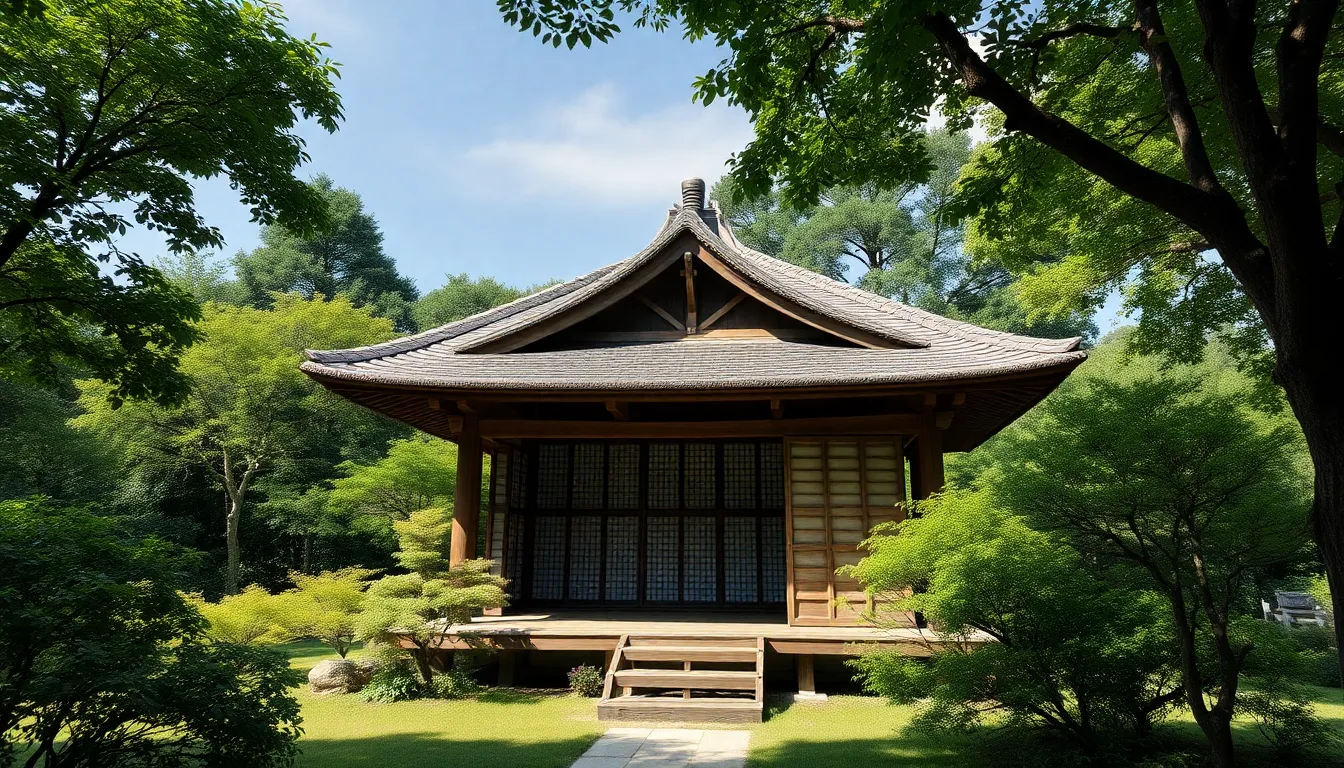
Japanese architecture reflects a long history shaped by various cultural and historical influences. Over centuries, this architectural style evolved, intertwining traditional practices with modern innovations.
Ancient Influences
Ancient Japanese architecture draws inspiration from both indigenous practices and external sources. Indigenous Shinto beliefs emphasized harmony with nature, leading to structures that blended into their surroundings. Chinese architectural principles also played a significant role, particularly during the Asuka and Nara periods, introducing techniques like wooden bracket systems. Temples exhibited graceful designs, featuring raised floors and thatched roofs, which established a foundation for later styles. Elements such as wooden constructions and simple forms continue to resonate in contemporary architecture, showcasing a commitment to natural beauty.
Feudal Era Developments
The feudal era marked significant advancements in Japanese architecture, especially with the emergence of samurai culture. Castles like Himeji Castle showcased defensive designs while exuding status and power. Builders incorporated intricate details, such as curved roofs and decorative motifs, emphasizing aesthetics alongside functionality. Additionally, the rise of the tea house introduced spaces that encouraged tranquility and harmony with nature. These developments laid the groundwork for unique structures, highlighting the balance between beauty, utility, and social context.
Key Characteristics of Japanese Architecture
Japanese architecture showcases distinct features that reflect cultural values and aesthetic principles. An emphasis on harmony with nature and simplicity defines this architectural style.
Use of Natural Materials
Natural materials form the backbone of Japanese architecture. Wood serves as the primary element, prized for its warmth and flexibility. Bamboo often appears in structures, enhancing environmental harmony. Stone and paper also contribute to the beauty, with shoji screens allowing light to filter softly. These materials develop a serene atmosphere, fostering a strong connection to the surrounding landscape. Builders prioritize sustainability, ensuring that contemporary designs maintain this tradition. A focus on craftsmanship becomes evident in the detailed joinery techniques used in wooden structures. This emphasis on natural elements results in a cohesive aesthetic that resonates through time.
Asymmetry and Simplicity
Asymmetry plays a vital role in the design of Japanese architecture. This feature creates dynamic visual interest while retaining a sense of calm. Building layouts often follow irregular patterns, encouraging exploration and connection with nature. Spaces prioritize simplicity, showcasing a minimalist approach that enhances functionality. Interior designs reflect this idea through clean lines and uncluttered environments. Gardens complement architectural forms, emphasizing the natural beauty of the surroundings. Such elements promote tranquility and introspection, key aspects of Japanese culture. Overall, these characteristics work together to form an architectural experience that feels harmonious and inviting.
Famous Japanese Architectural Styles
Japanese architecture features a range of styles that reflect both historical traditions and modern innovations. Each style showcases unique characteristics that embody the culture and values of Japan.
Traditional Styles
Traditional Japanese architecture emphasizes harmony with nature and simplicity. Shinto shrines, for instance, highlight wooden structures and elevated platforms, allowing for a seamless blend with the surrounding environment. Buddhist temples display intricate details and elaborate roofs, demonstrating craftsmanship and spiritual significance. Another notable style includes the tea house, which fosters tranquility and connection to nature through its understated design. Farmhouses, or minka, feature thatched roofs and earthen walls that create warmth and comfort. These traditional styles embody principles such as asymmetry and open spaces, creating environments conducive to reflection and community.
Modern Interpretations
Modern Japanese architecture merges traditional elements with contemporary design practices. Architects like Tadao Ando incorporate natural light and materials, achieving simplicity while addressing modern needs. Structures utilize clean lines and open layouts, promoting fluidity and versatility in urban settings. The Asakusa Culture and Tourism Center exemplifies this blend, featuring vivid colors and innovative shapes alongside traditional motifs that root it in Japan’s architectural legacy. Sustainable design also plays a crucial role, with many buildings prioritizing eco-friendly materials and energy-efficient features. This approach emphasizes not only beauty and functionality but also a commitment to ecological balance in modern architecture.
Influential Architects in Japanese Architecture
Japanese architecture boasts numerous influential architects who have shaped its landscape. Their works reflect the fusion of tradition and modernity.
Notable Figures
Tadao Ando stands out for minimalist designs that emphasize light and space. Kengo Kuma is known for blending architecture with nature, using organic materials. Yoshio Taniguchi gained recognition for museum designs that promote interaction with art. Fumihiko Maki is celebrated for his innovative urban structures, incorporating cultural motifs. Each architect contributes unique perspectives to Japan’s architectural narrative.
Their Contributions
Ando’s use of concrete and natural light creates serene environments, evident in the Church of the Light. Kuma’s work, including the Nagasaki Prefectural Art Museum, showcases harmony with surroundings. Taniguchi revitalized the Museum of Modern Art in New York, enhancing its connection to the city. Maki’s designs, such as the National Gallery of Canada, reflect a blend of modernism and cultural significance. Each contribution reiterates the importance of integrating aesthetics and functionality in Japanese architecture.
Japanese architecture stands as a testament to the country’s rich cultural heritage and innovative spirit. Its seamless integration of natural elements with minimalist design principles creates spaces that invite serenity and contemplation. The evolution from traditional structures to modern interpretations reflects a deep respect for craftsmanship and a commitment to sustainability.
As architects continue to draw inspiration from Japan’s architectural past, the future promises to uphold these values while embracing contemporary challenges. This dynamic interplay between history and innovation ensures that Japanese architecture will remain a source of inspiration for generations to come.


